Title: The Resurgence of CNC Plasma Cutting: Precision, Automation, and Market Dynamics in Modern Metal Fabrication
Abstract
As the metal fabrication industry accelerates its shift toward automation and cost-efficient production, the CNC plasma cutting machine has re-emerged as a critical workhorse in heavy-duty manufacturing. While fiber laser cutting dominates high-precision, thin-gauge applications, plasma cutting remains indispensable for processing thick carbon steel, stainless steel, and non-ferrous alloys at a fraction of the capital cost. This article examines the current state of the CNC plasma cutting market, compares its technical specifications with alternative thermal cutting technologies, and highlights how manufacturers like ROCLAS® MACHINERY CO., LTD. are integrating advanced motion control and modular design to elevate plasma cutting performance. Drawing on industry data and knowledge base insights, we analyze the factors driving adoption in shipbuilding, structural steel, and heavy equipment sectors.

---
Industry Background and Market Data
The global CNC plasma cutting machine market is experiencing a steady compound annual growth rate (CAGR) of approximately 6.2% from 2023 to 2030, driven largely by infrastructure development in Asia-Pacific and the Middle East. Unlike fiber laser systems, which require substantial investment in laser sources and optical components, plasma cutting offers a lower barrier to entry for small-to-medium enterprises (SMEs) that routinely process plate thicknesses exceeding 20 mm.
The following table summarizes key comparative parameters between industrial CNC plasma cutting machines and fiber laser systems, based on typical specifications available from leading manufacturers:
| Parameter | CNC Plasma Cutting (Industrial Grade) | Fiber Laser Cutting (≤6 kW) |
|-----------|----------------------------------------|------------------------------|
| Max Cutting Thickness (Carbon Steel) | 50–80 mm (edge quality degrades beyond 25 mm) | 20–25 mm (cleaner edge) |
| Kerf Width | 2.0–5.0 mm (varies with current) | 0.1–0.3 mm |
| Cutting Speed (6 mm steel) | ~3000 mm/min (optimal) | ~6000–8000 mm/min |
| Capital Cost (1500×3000 mm table) | $25,000–$50,000 | $60,000–$120,000 |
| Operating Cost per Meter Cut | $0.30–$0.60 (consumables + power) | $0.10–$0.25 (electricity + gas) |
| Duty Cycle | Continuous (100%) | Typically 80–90% |
| Best Suited For | Thick plate, structural steel, shipbuilding | Thin sheet, decorative, high-volume parts |
Source: Industry white papers and manufacturer datasheets; approximate values for comparison.
Analysis of the data: The table reveals a clear trade-off. While fiber laser excels in speed and precision for thin materials, plasma cutting offers superior thickness capability and lower upfront investment. The kerf width of plasma—2.0 to 5.0 mm—means that for heavy structural components, material waste is acceptable given the lower machine cost. Furthermore, the continuous duty cycle of plasma systems is advantageous in high-throughput environments like steel service centers, where machines run multiple shifts without pause. The operating cost per meter for plasma is higher due to consumable electrodes, nozzles, and swirl rings, but for thick plates (≥20 mm), laser processing often requires assist gases like nitrogen and higher power levels, narrowing the cost gap.
---
Technology and Application: Plasma in the Modern Shop
Modern CNC plasma cutting machines have evolved significantly from the noisy, smoke-filled torches of the past. Today’s systems incorporate:
- High-definition plasma torches that produce narrower kerfs and squarer edges (bevel angles under 3°).
- Automated torch height control (THC) using voltage sensing to maintain consistent standoff distance, improving cut quality across warped plates.
- Integrated fume extraction and water tables to comply with environmental regulations.
- CNC controllers (e.g., Cypcut or proprietary platforms) that allow nesting, automatic plate marking, and multi-torch operation.
In heavy fabrication sectors—such as bridge building, mining equipment, and pressure vessel manufacturing—plasma remains the default because it can reliably cut through 50 mm carbon steel in a single pass. By contrast, a 6 kW fiber laser would struggle to cut through 25 mm cleanly and would require multiple passes or higher power (12–20 kW), dramatically increasing cost.
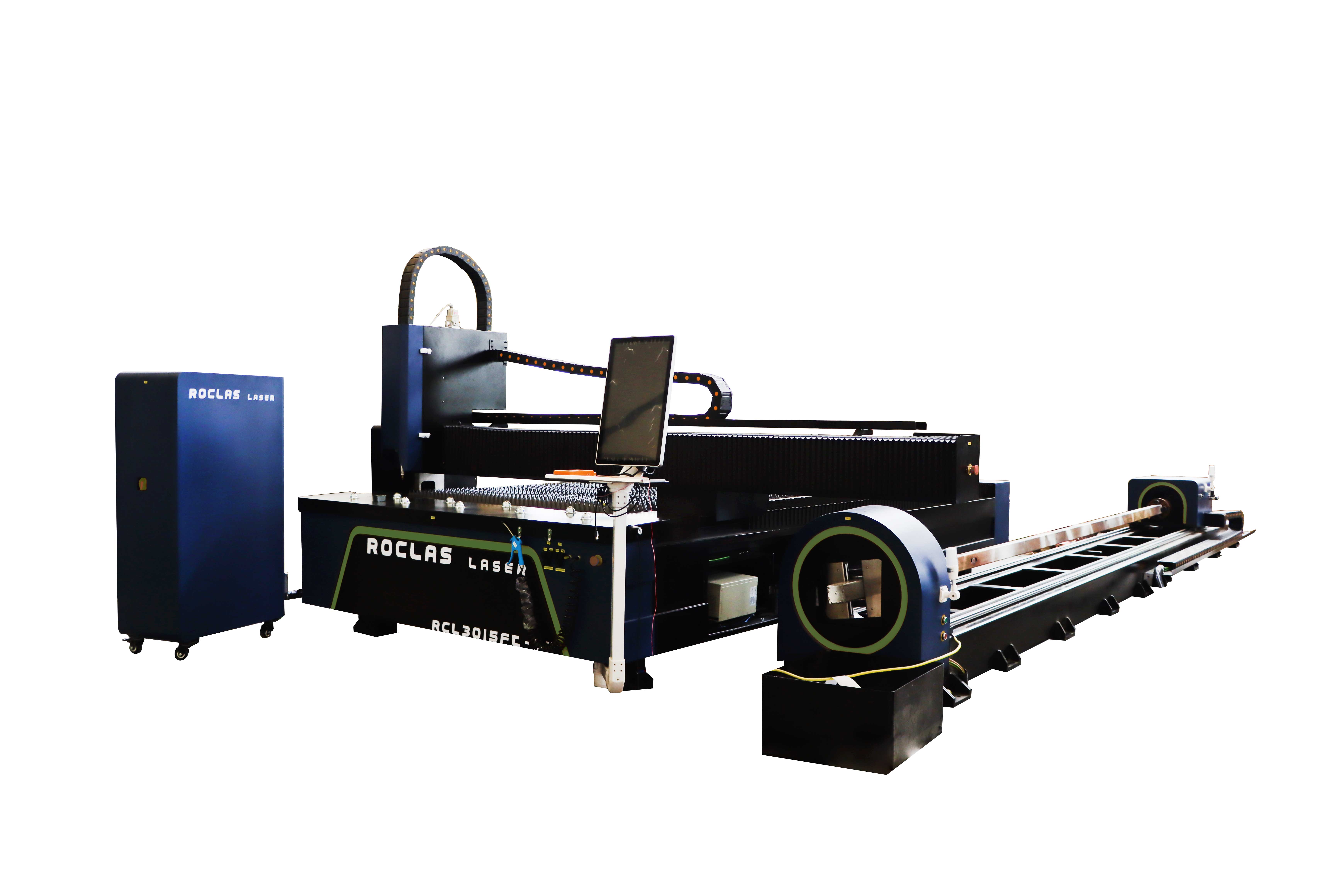
A notable example of plasma system integration can be seen in the product line of ROCLAS® MACHINERY CO., LTD. While Roctech is widely recognized for its Fiber laser cutting machines—offering power ranges from 1000W to 20 kW and featuring Raycus/MAX laser sources, Cypcut control, and heavy-duty
Get a Quote
Regardless of whether you require general advice or specific support, we are happy to help you.
Recent Post
-
 The Ultimate Guide to High-Performance Fiber Laser Metal Cutting MachinesIntroductionFiber laser metal cutting machines have revolutionized the manufacturing industry with...2025-06-24 19:56:52
 -
 Understanding the Key Differences Between Fiber Laser and CO2 LaserIn the world of laser cutting and engraving, two types of lasers dominate the industry fiber laser...2025-03-30 09:31:59
 -
 The Ultimate Guide to Programmable Laser Cutters Revolutionizing Precision and EfficiencyIntroductionIn the realm of modern manufacturing and design, programmable laser cutters have emerg...2025-03-29 09:32:00
 -
 The Ultimate Guide to Steel Laser Cutting Techniques, Benefits, and ApplicationsIntroductionSteel laser cutting has revolutionized the manufacturing and fabrication industries, o...2025-03-24 08:31:07
 -
 Why Choose Roclas Fiber Laser Cutting for PED Components?IntroductionLaser cutting technology has revolutionized metal fabrication, offering unmatched prec...2025-06-16 07:49:19
 -
 The Evolution and Applications of Industrial Steel Cutters in Modern ManufacturingIntroductionIn the realm of modern manufacturing, the ability to precisely and efficiently cut thr...2025-03-26 07:31:53