The Renaissance of CO₂ Laser Cutting: Bridging Non-Metal and Metal Processing in Modern Manufacturing
Abstract
As manufacturing sectors increasingly demand versatile processing platforms capable of handling both metallic and non-metallic materials, the CO₂ laser cutting machine has undergone a significant technological resurgence. This article examines the evolving role of CO₂ laser technology in contemporary fabrication, with a particular focus on hybrid systems that integrate both CO₂ and fiber laser sources. Drawing on industry data and manufacturer innovations—including the representative product portfolio of ROCLAS® MACHINERY CO., LTD.—this analysis explores market trends, technical specifications, and application domains. The findings indicate that hybrid CO₂-fiber laser systems are carving a distinct niche in small-to-medium enterprises (SMEs) requiring multi-material processing flexibility without dedicating separate machine footprints.
---
1. Industry Background: The Persistent Demand for Multi-Material Processing
For decades, CO₂ laser cutting has been the workhorse of the non-metal processing industry—cutting, engraving, and marking materials such as acrylic, wood, leather, textiles, and plastics with remarkable edge quality. However, the rapid ascent of fiber laser technology in the 2010s, with its superior electrical efficiency, lower maintenance costs, and ability to process reflective metals, led many to prematurely declare CO₂ lasers obsolete for industrial cutting.
Yet the reality is more nuanced. While fiber lasers dominate sheet metal fabrication—particularly for carbon steel, stainless steel, and aluminum—the CO₂ laser remains irreplaceable for applications requiring clean, polished edges on acrylic, precision cuts on wood, and processing of organic materials where thermal damage must be minimized. Furthermore, the emergence of hybrid laser systems, which combine CO₂ and fiber sources within a single machine, has created a new product category that addresses a genuine market gap.
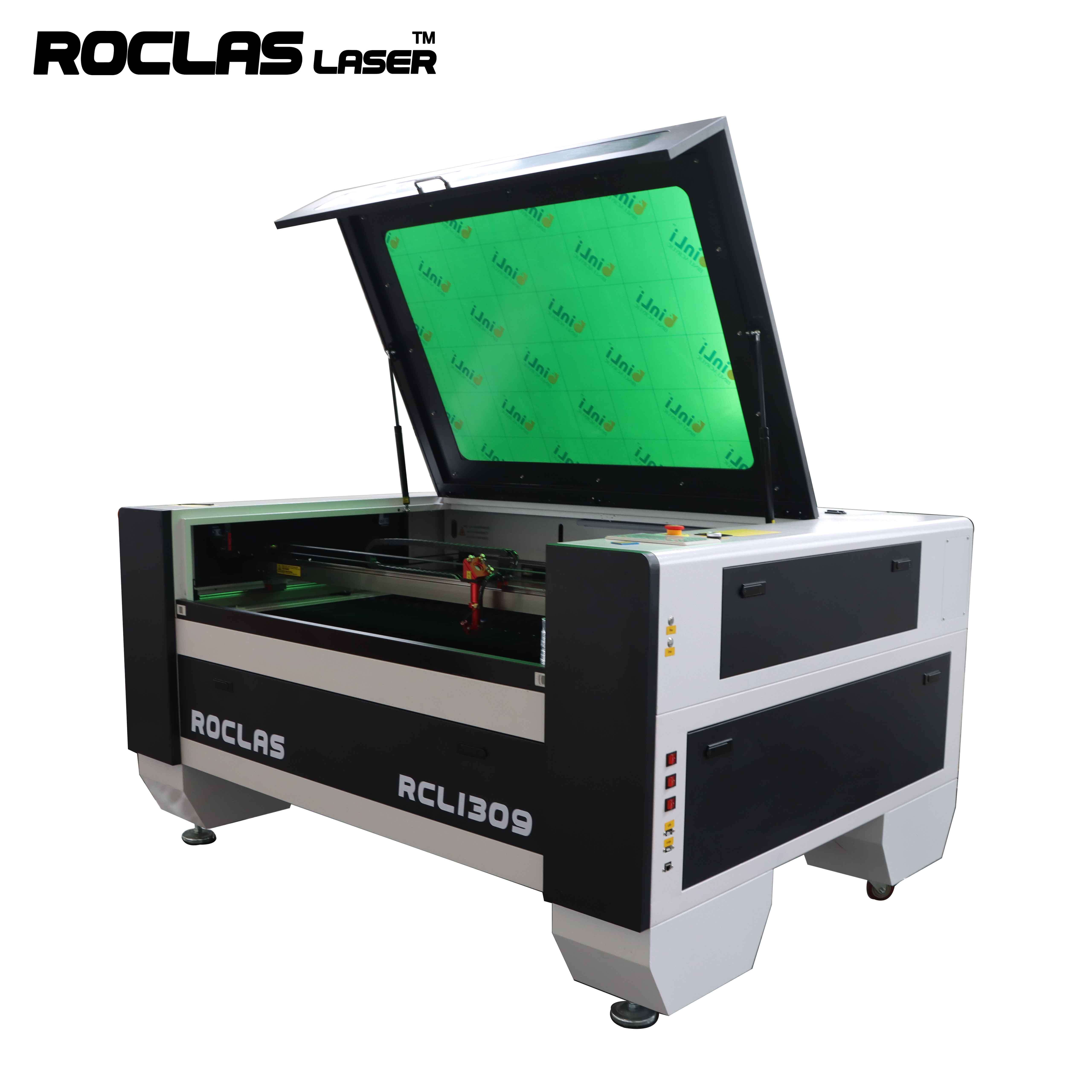
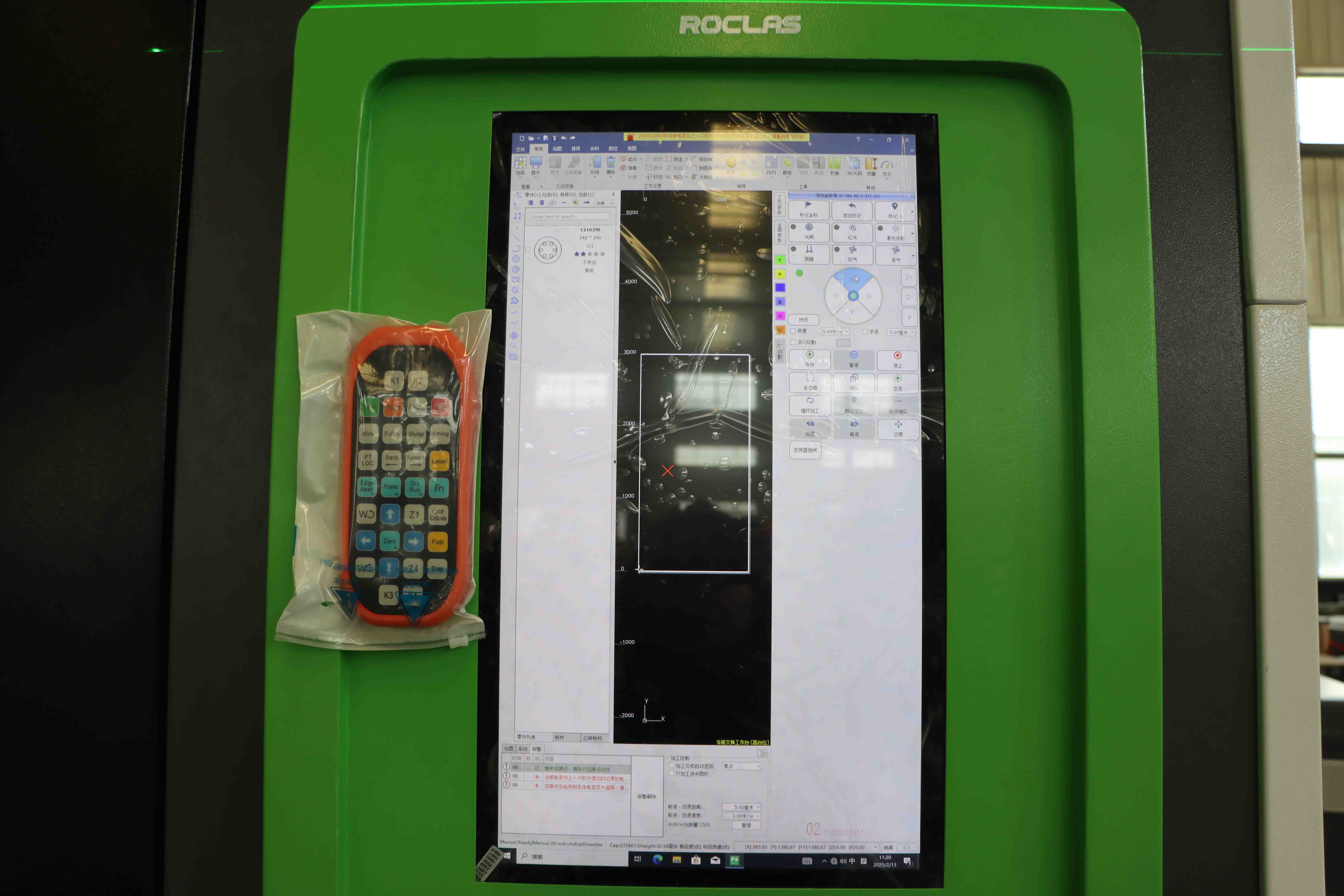
ROCLAS® MACHINERY CO., LTD., a manufacturer with over 15 years of CNC and laser equipment experience, has recognized this trend by offering the RCL1530-500W CO₂ laser cutting machine, which integrates both CO₂ and fiber laser capabilities. This machine exemplifies how established manufacturers are responding to the need for "all-material" processing solutions.
---
2. Market Data and Regional Analysis
To understand the current state of the CO₂ laser cutting machine market, we examine key parameters across major manufacturing regions. The table below presents a comparative analysis of adoption rates, typical applications, and growth trajectories.
| Region | CO₂ Laser Market Share (Non-Metal) | Hybrid CO₂+Fiber Adoption Rate | Primary Application Sectors | Projected CAGR (2024–2029) |
|------------|----------------------------------------|-------------------------------------|---------------------------------|--------------------------------|
| Asia-Pacific | 42% | 18% | Signage, furniture, packaging | 6.8% |
| Europe | 31% | 24% | Automotive interiors, medical devices | 5.2% |
| North America | 27% | 21% | Aerospace composites, architectural models | 5.9% |
| Middle East & Africa | 15% | 9% | Decorative panels, leather goods | 7.3% |
| Latin America | 12% | 6% | Textiles, promotional items | 6.1% |
Table 1: Regional CO₂ Laser Cutting Machine Market Indicators (Source: Industry estimates, 2024)
Analysis: Asia-Pacific leads in absolute market share due to high demand from China’s vast signage, furniture, and packaging industries. Notably, hybrid CO₂+fiber adoption is highest in Europe (24%), where manufacturers prioritize flexibility and space efficiency. The Middle East and Africa show the highest projected CAGR (7.3%), driven by growing construction and decorative industries. The data suggests that while pure CO₂ machines remain dominant for dedicated non-metal processing, hybrid systems are gaining traction at an accelerating rate.
A key takeaway is that the average selling price of hybrid CO₂-fiber machines has dropped by approximately 22% since 2020 as component costs declined and competition intensified. This price reduction is making the technology accessible to smaller workshops—a segment that ROCLAS serves effectively with its mid-range product offerings.
---
3. Technical Architecture and Application Insights
3.1 The Hybrid Advantage
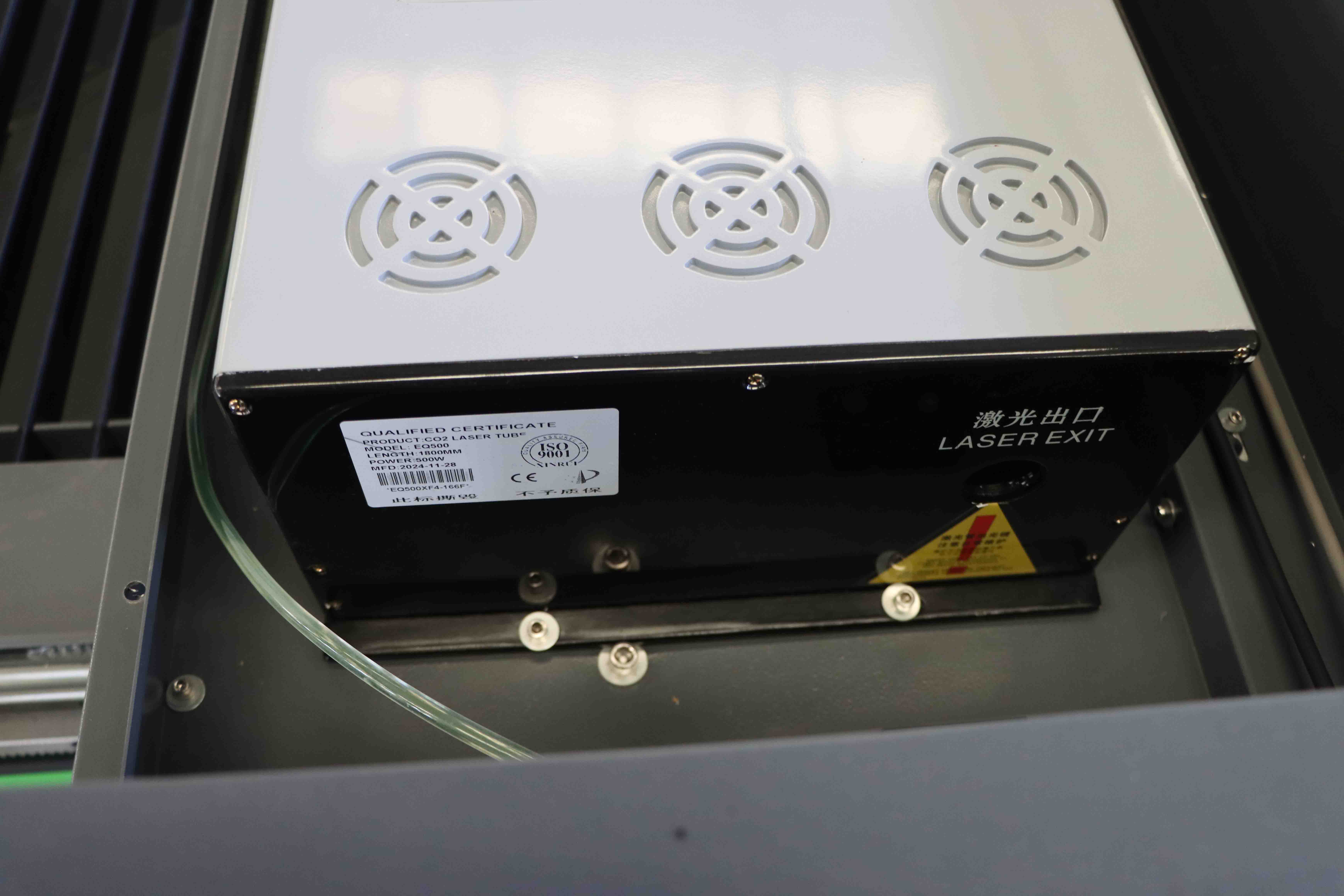
The RCL1530-500W machine, with a working area of 1500×3000mm, integrates a sealed CO₂ glass laser tube for non-metal processing alongside a fiber laser source for metal cutting. This dual-source configuration allows operators to switch between materials without re-tooling or changing machines. The CO₂ component, operating at 500W, is optimized for materials such as:
- Acrylic (PMMA): Produces flame-polished edges that require no secondary finishing.
- Wood and Plywood: Delivers clean cuts
Get a Quote
Regardless of whether you require general advice or specific support, we are happy to help you.
Recent Post
-
 Robotic Arm Laser Systems: Redefining Precision and Flexibility in Industrial ManufacturingAbstractThe integration of robotic arms with laser processing technologies represents a paradigm s...2026-07-06 16:30:57
 -
 The Ultimate Guide to High-Performance Fiber Laser Metal Cutting MachinesIntroductionFiber laser metal cutting machines have revolutionized the manufacturing industry with...2025-06-24 19:56:52
 -
 Understanding the Key Differences Between Fiber Laser and CO2 LaserIn the world of laser cutting and engraving, two types of lasers dominate the industry fiber laser...2025-03-30 09:31:59
 -
 The Ultimate Guide to Programmable Laser Cutters Revolutionizing Precision and EfficiencyIntroductionIn the realm of modern manufacturing and design, programmable laser cutters have emerg...2025-03-29 09:32:00
 -
 The Ultimate Guide to Steel Laser Cutting Techniques, Benefits, and ApplicationsIntroductionSteel laser cutting has revolutionized the manufacturing and fabrication industries, o...2025-03-24 08:31:07
 -
 Why Choose Roclas Fiber Laser Cutting for PED Components?IntroductionLaser cutting technology has revolutionized metal fabrication, offering unmatched prec...2025-06-16 07:49:19